
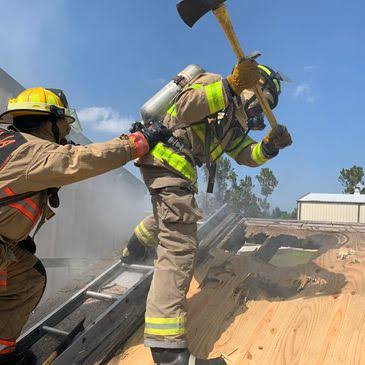
For firefighters, a new-hire physical examination based on NFPA 1582 is designed to establish a comprehensive baseline of health and fitness before an individual begins active duty. The evaluation assesses medical conditions that could affect a firefighter’s ability to safely perform the essential functions of the job, particularly under the extreme physical and environmental demands of firefighting. Depending on the department’s adopted requirements and edition of NFPA 1582, the evaluation may include a medical history, physical examination, cardiovascular assessment, respiratory evaluation, vision and hearing testing, laboratory testing (TB testing + DOT drug testing) , musculoskeletal assessment, and other specialty testing when clinically indicated. The results provide the fire department and medical provider with a documented baseline that can be used to identify potential health risks, support medical clearance decisions, and compare future evaluations over the course of the firefighter’s career.
Services
Hands-on Physicals
The evaluation assesses medical conditions that could affect a firefighter’s ability to safely perform the essential functions of the job, particularly under the extreme physical and environmental demands of firefighting.
Spirometry Assessment
Measures lung function, including airflow and pulmonary capacity, to identify potential respiratory limitations or abnormalities that may affect a firefighter’s ability to safely perform physically demanding duties and work in environments requiring respiratory protection.
Vision + Hearing
Assess visual acuity, peripheral vision, color recognition, and hearing sensitivity to identify impairments that could affect a firefighter’s ability to safely perform essential job functions, communicate effectively, and recognize environmental hazards.
ECG + Cardiovascular Assessment
Evaluates heart health and cardiovascular function to identify potential risk factors or abnormalities that could affect a firefighter’s ability to safely perform strenuous, high-intensity activities and respond to the physical demands of emergency operations.
Fitness Testing
Evaluates key components of physical performance—including cardiovascular endurance, muscular strength and endurance, flexibility, mobility, and functional capacity—to establish a baseline of fitness and determine a firefighter’s readiness to safely perform the physical demands of the job.
Lab Tests
Evaluates key health markers through blood and urine analysis to identify potential medical conditions, cardiovascular risk factors, metabolic abnormalities, or other health concerns that may affect a firefighter’s overall health and ability to safely perform essential job duties
Drug Testing
Screens for specified substances in a biological sample to help identify substance use that may affect a firefighter’s safety, judgment, performance, or ability to safely perform essential job duties.
TB Assessment
Screens for tuberculosis infection and evaluates for signs, symptoms, or risk factors that could indicate active disease, helping protect the health and safety of the firefighter, coworkers, and the public.
Customization Options
Pinnacle Training Systems is committed to working collaboratively with each department to design and implement a tailored program that best supports the health, safety, and readiness of its personnel. Please review all our different services and reach out to us for more information or for quotes!